
Lemur Tours Madagascar — from the lemur kingdom to a beach escape
Madagascar is the only place on Earth where lemurs live in the wild — more than one hundred species and subspecies, from the 30-gram mouse lemur to the indri, whose song carries for three kilometres. This tour is built around the parks that offer the best chances of observing them, and ends with a beach escape.
Best time to go
- Jan
- Feb
- Mar
- Apr
- May
- Jun
- Jul
- Aug
- Sep
- Oct
- Nov
- Dec
April to November suits every region; September–October is the peak for lemur babies.
What you'll experience
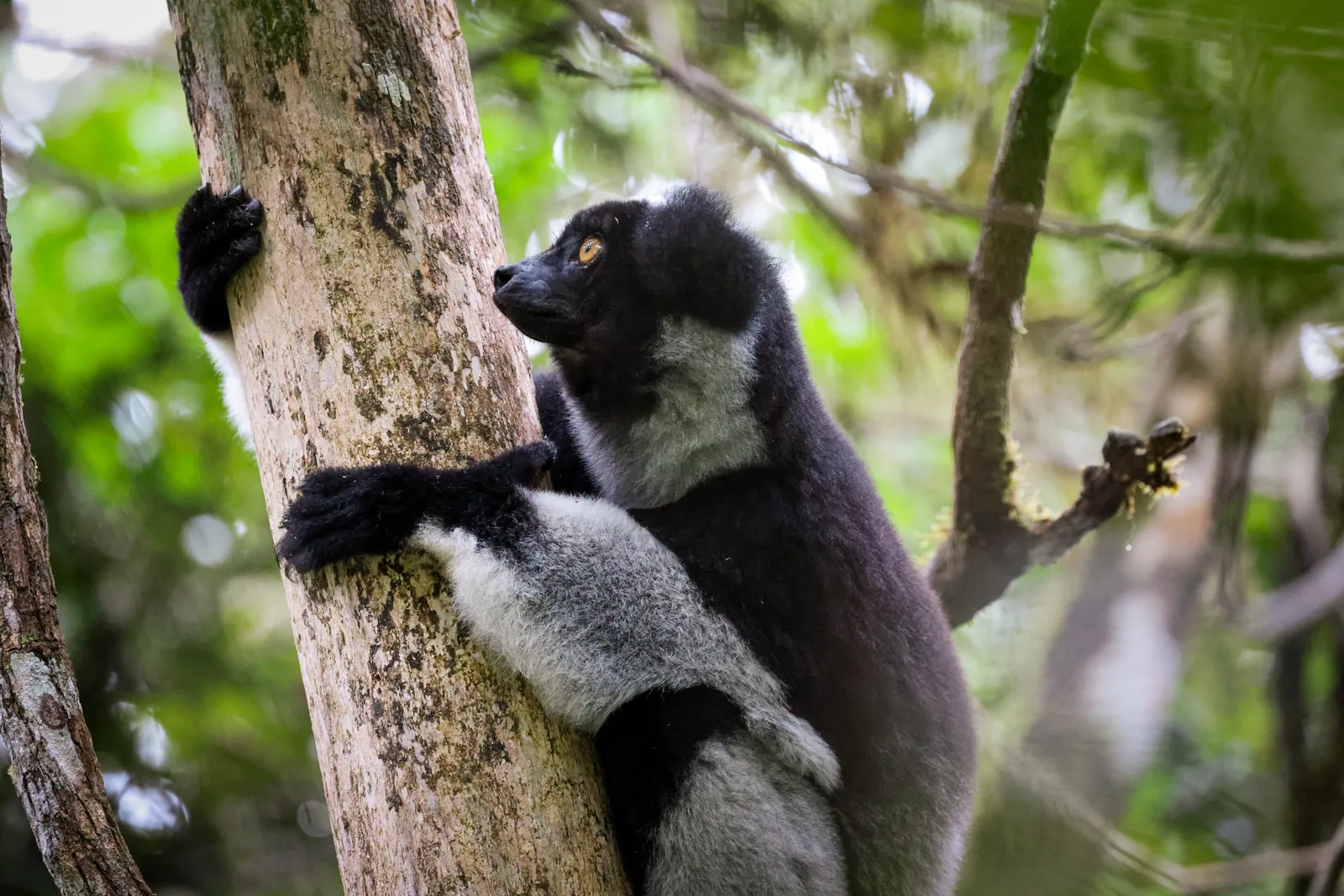
- Indri indri at Andasibe-Mantadia, the largest living lemur
- Golden bamboo lemur in Ranomafana National Park
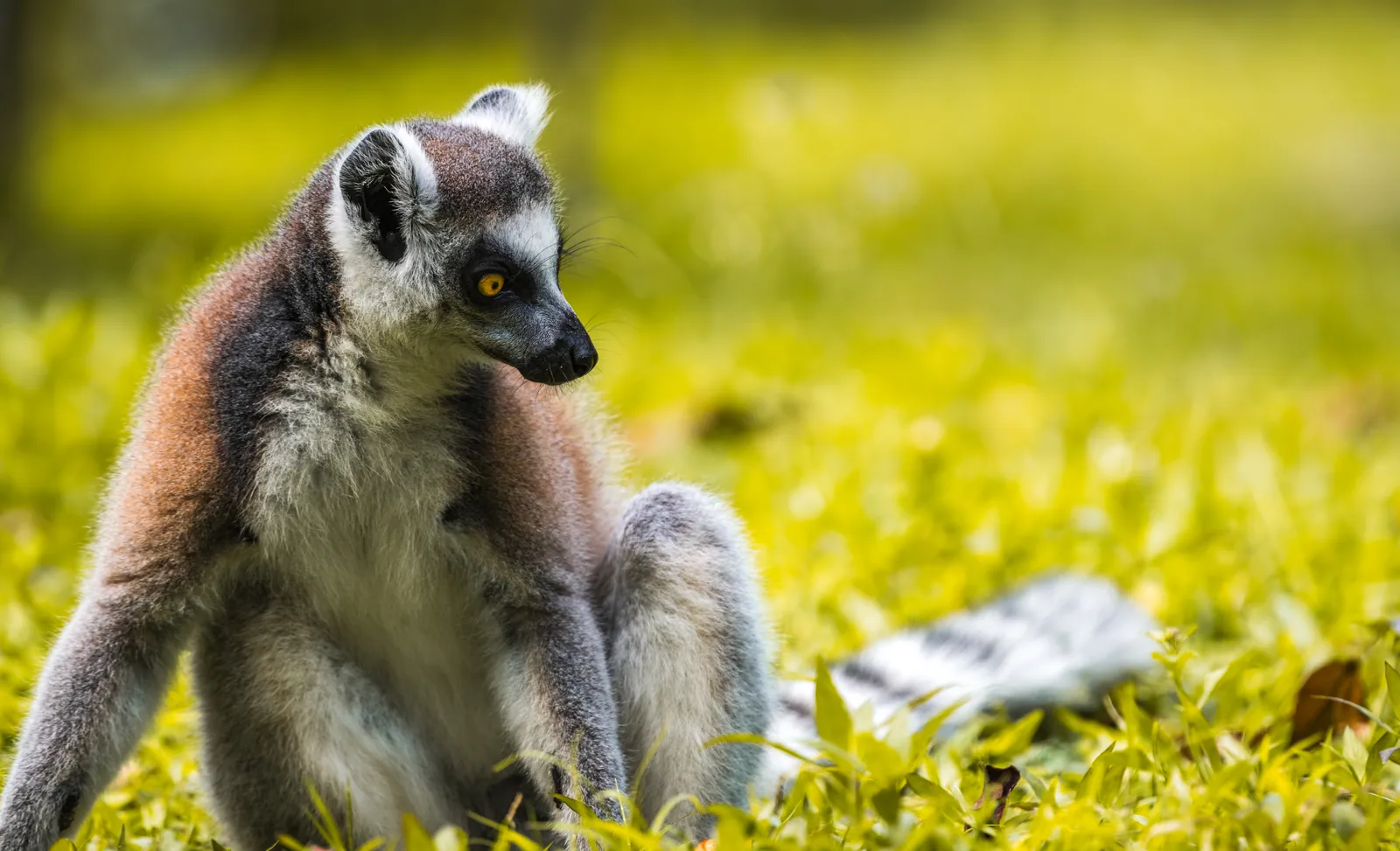
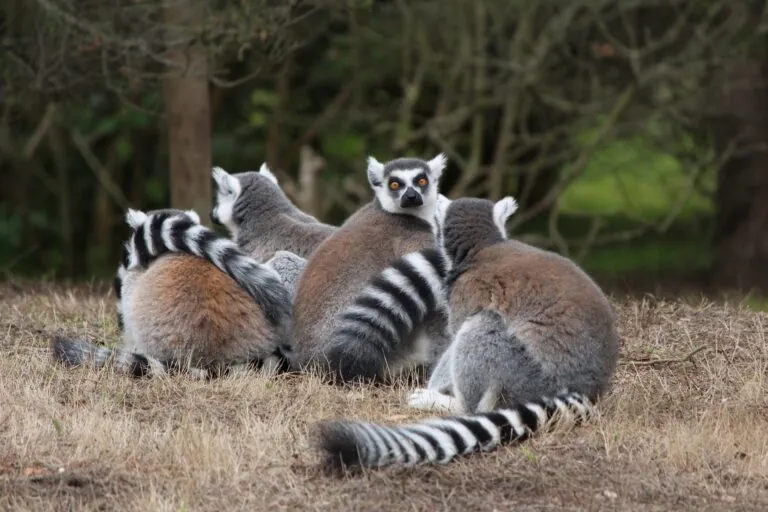
- Ring-tailed lemurs and Verreaux's sifaka in Isalo
- Coquerel's sifaka in Ankarafantsika
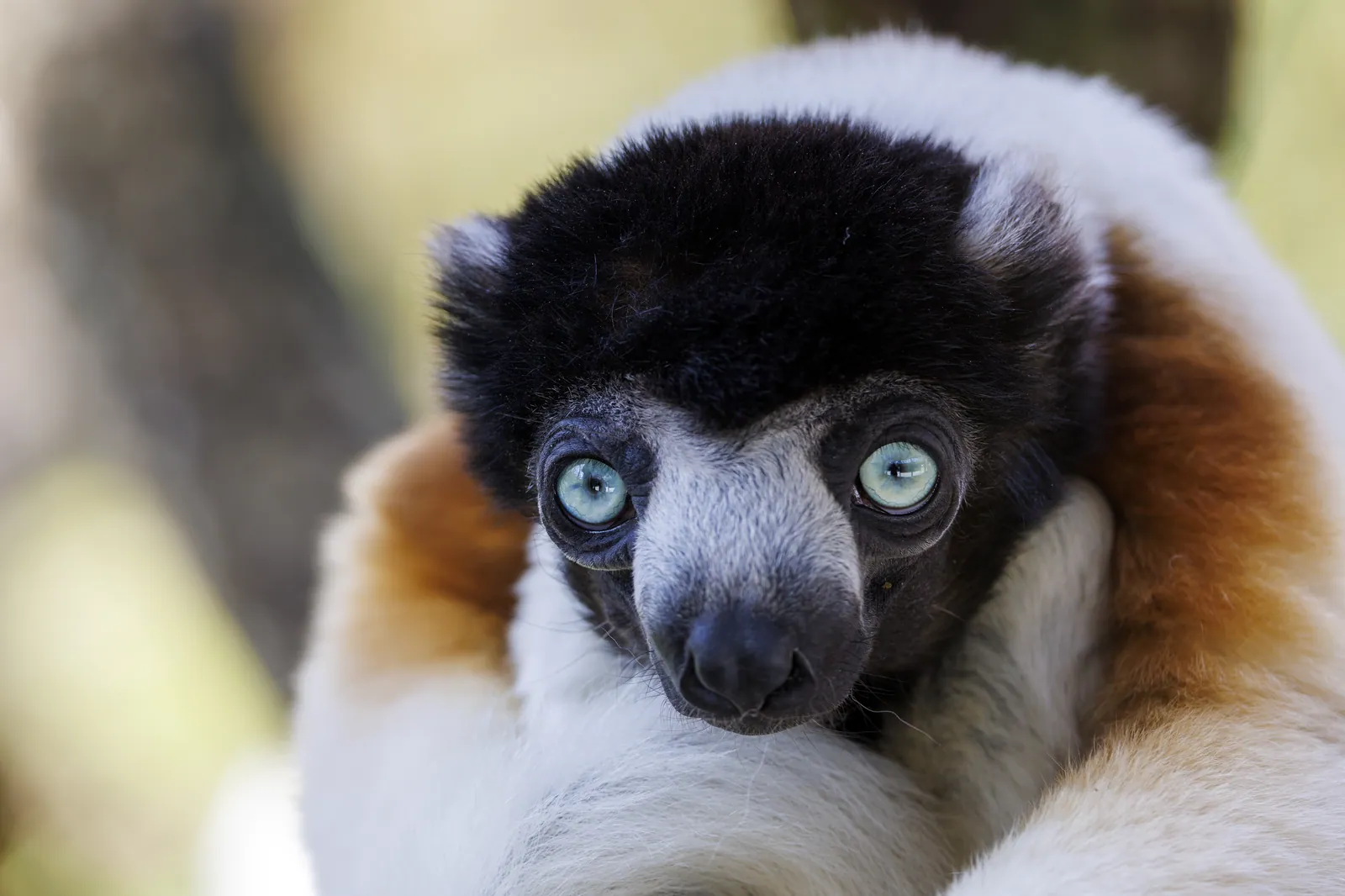
- Crowned and Sanford's lemurs in Ankarana and Montagne d'Ambre
- Night walks for mouse lemurs and sportive lemurs
Lemur tours on the eastern part of the island
The eastern rainforest corridor is the richest in primates. Andasibe-Mantadia, Zahamena and Masoala combine indri, diademed sifaka, black-and-white ruffed lemur and the elusive aye-aye. From Andasibe to Sainte Marie (11 days) is the classic route, and can be extended to a 12-day exploration of the south and the luxuriant east.
Lemur tours on the southern part of the island
Ranomafana, Andringitra, Isalo, Tsimanampetsotsa, Berenty and Andohahela follow the RN7 and the far south. Expect ring-tailed lemurs, Verreaux's sifaka, the golden bamboo lemur and, in the dry spiny forest, the white-footed sportive lemur.
Lemurs on the western and northern parts
In the west, Kirindy, Tsingy de Bemaraha, Namoroka and Baie de Baly protect Madame Berthe's mouse lemur — the smallest primate in the world — as well as Deckenii's sifaka. In the north, Montagne d'Ambre, Ankarana, Marojejy and Sahamalaza are home to crowned lemurs, Sanford's lemurs and the silky sifaka.
Photos from this tour
Your detailed programme
- 1Road transferFlightOvernight
- 2Road transferHikeOvernight
- 3Overnight
- 4Overnight
- 5Overnight
- 6Road transferOvernight
- 7HikeOvernight
- 8Road transferOvernight
- 9HikeOvernight
- 10Overnight
- 11FlightOvernight
- 12Road transferFlight
- All airport / hotel / airport transfers as per the detailed programme
- Accommodation on a half-board basis throughout the tour
- A 4x4 vehicle with fuel included
- All visits and entrance fees to national parks and reserves listed in the programme
- One bottle of water per person per day
- An English or French speaking driver-guide
- Tourist taxes
- — Lunches
- — Drinks
- — Any visit not mentioned in the programme, or taken as an option
- — Domestic flights
- — Comprehensive travel insurance
You may be wondering…
What is the difference between the East, South, West and North circuits for lemur watching?+
Each region shelters different species and habitats: rainforest in the east, dry spiny forest and canyons in the south, deciduous forest and tsingy in the west, and humid massifs in the north. The east gives the highest number of species in the shortest time.
Is it guaranteed to see diurnal and nocturnal lemurs during the tours?+
Nothing is guaranteed in the wild, but our local guides track habituated family groups daily, so sightings of diurnal lemurs are almost systematic. Nocturnal species are seen on organised night walks.
When is the best time of the year to plan a lemur tour?+
From April to November. September to November is best: babies are born, and the animals are active for longer during the day.
Check availability for this tour
A local English-speaking advisor replies within 24 hours. 100% customizable: dates, accommodations, beach extensions.